
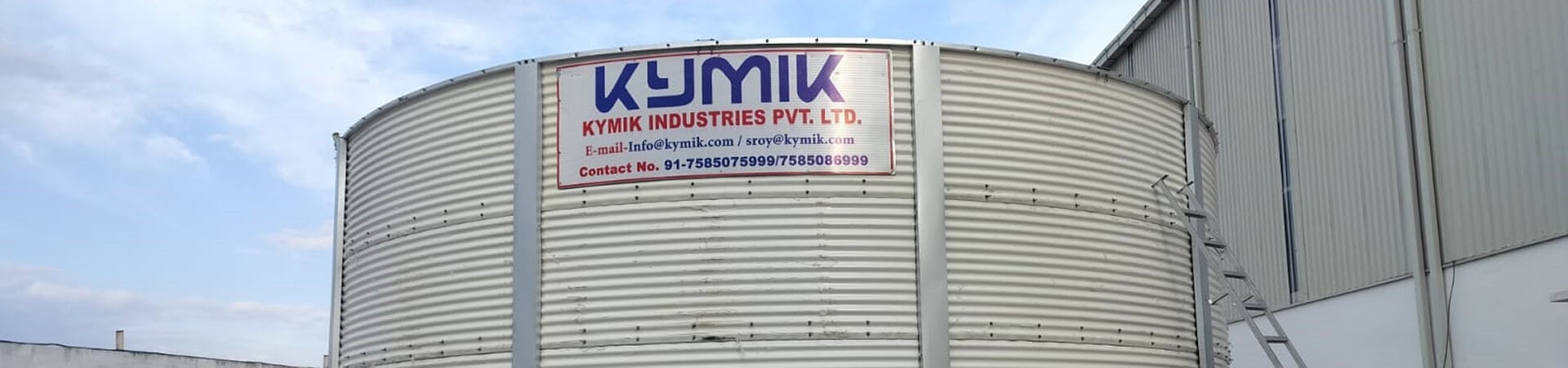

8 Common Mistakes to Avoid When Selecting a Fire Water Storage Tank
Fire Water Storage Tank
Choosing a perfect Fire water storage tank is a crucial decision for industrial facilities, commercial buildings, warehouses and infrastructure projects. The fire tank must store enough water to support firefighting systems during any emergencies. Therefore, project owners, builders and engineers must consider capacity, design, material and site requirements before choosing a tank.
However, costly mistakes occur when a buyer select a tank based on capacity, price or material. For instance, incorrect capacity calculations may hamper the readiness during fire emergencies and breakdowns, while poor material selection can reduce the durability of the fire tank. In most cases, overlooking structural requirements, installation, conditions and proper maintenance can cause operational challenges or a disaster in the long run.
To avoid these mistakes, a fire water storage tank should compile with proper applicable standards, site conditions and the manufacturer’s experience before taking the decision. After all evaluations, project owners can select a reliable fire water tank that supports complete fire protection system across the site and meets the project’s long run needs.

Table of Contents
1. Choosing the Wrong Fire Water Storage Tank Capacity
The most common mistake is selecting a fire water tank without properly calculating the required water volume. It should match the demand of the fire protection system and the required duration of water supply.
Fire water demand may depend on:
- Hydrant system requirements
- Automatic sprinkler system demand
- Fire monitors and other suppression equipment
- Required operating duration
- Simultaneous system demand
A preliminary capacity calculation involves multiplying the required flow rate by the operating duration. However, the final capacity must also account for usable water volume, minimum operating levels and applicable fire safety requirements.
Therefore, the tank capacity should be determined through a proper hydraulic and fire protection assessment rather than a general estimate.
2. Ignoring Applicable Fire Safety Standards
Fire water storage tanks must meet the applicable fire safety, structural and engineering requirements. Ignoring these standards during planning can lead to unsuitable tank configurations or compliance issues.
NFPA 22 is an important reference for water tanks used in private fire protection systems. In addition, local fire authority regulations, building codes and project specifications may apply.
Before selecting a fire tank, verify:
- Applicable fire protection standards.
- Required tank design and construction specifications.
- Structural and seismic design requirements.
- Fire authority approval requirements.
- Project-specific inspection and testing requirements.
Following the applicable requirements from the beginning can help avoid unnecessary design changes and delays.
3. Selecting the Wrong Tank Material
The material used in a fire water storage tank affects its corrosion protection, structural performance, maintenance requirements and suitability for the installation environment.
Different materials offer different advantages.
- Galvanized steel tanks: Feature a protective zinc coating and can offer modular construction for various storage applications.
- Zincalume steel tanks: Use an aluminium-zinc-silicon coating that provides enhanced atmospheric corrosion resistance.
- Glass-Fused-to-Steel (GFS) tanks: Combine steel panels with a fused glass coating to provide a protective surface.
The right material depends on the project requirements, stored water conditions, environmental exposure, budget and design specifications. Selecting a material without evaluating these factors may result in unnecessary maintenance or an unsuitable storage solution.
4. Overlooking Foundation and Structural Requirements
A fire water storage tank holds a substantial volume of water. Consequently, the foundation must support the combined loads of the tank structure and stored water.
Neglecting site conditions or foundation requirements can affect tank stability and structural performance.
Before installation, consider:
- Soil bearing capacity.
- Foundation design and levelness.
- Water load and tank dimensions.
- Wind loading.
- Seismic requirements, where applicable.
- Anchoring arrangements.
- Site drainage and surrounding conditions.
A qualified structural engineer should evaluate the foundation and supporting structure according to the tank design and site conditions. Proper planning helps support safe installation and reliable operation.
5. Ignoring Fire Pump and Tank Connection Requirements
A fire water storage tank must work as part of the complete firefighting system. The tank alone cannot ensure reliable water delivery without properly planned connections and pump arrangements.
Incorrect outlet sizing, unsuitable suction arrangements or poorly positioned connections can affect system performance.
During tank planning, consider the following:
- Fire pump suction connections.
- Inlet and outlet arrangements.
- Overflow and drain connections.
- Required valves and fittings.
- Minimum operating water level.
- Pump room location and accessibility.
Furthermore, the tank configuration should be coordinated with the fire protection consultant and pump system designer before manufacturing and installation.
6. Failing to Consider Inspection and Maintenance Access
A fire water storage tank must remain ready for use. However, some projects overlook inspection and maintenance access during the design stage.
Limited access can make routine checks, cleaning and repairs more difficult.
A properly planned fire tank should include suitable provisions for:
- Inspection access.
- Manholes and access openings.
- Ladders and safety arrangements.
- Water level monitoring.
- Drainage and cleaning.
- Inspection of valves and connections.
Regular inspection helps identify corrosion, leakage, structural concerns and other issues that may affect the tank’s condition.
Therefore, maintenance access should be considered during design rather than added after installation.
7. Selecting a Tank Based Only on the Lowest Price
Price is an important factor in project planning. However, selecting a fire water storage tank based only on the initial cost may overlook important engineering and installation considerations.
A low-cost tank may not include all the required components, installation support, protective systems or project documentation.
Before comparing quotations, evaluate:
- Tank design and specifications.
- Material quality and protective coating.
- Included accessories and connections.
- Foundation and installation requirements.
- Transportation and installation costs.
- Technical support and documentation.
- Inspection and maintenance requirements.
A complete cost evaluation should consider the entire installation and operational requirements, not just the tank’s purchase price.
8. Choosing a Manufacturer Without Evaluating Experience
The manufacturer plays an important role in the design, fabrication and installation of an industrial fire water storage tank. Choosing a supplier without evaluating their technical capabilities can create challenges during project execution.
Before finalising a manufacturer, check their experience in industrial water storage projects, manufacturing capabilities and technical support.
Consider the following factors:
- Experience in bolted-panel tank manufacturing.
- Range of tank materials and capacities.
- Engineering and design coordination.
- Quality control and manufacturing processes.
- Installation support and project execution.
- Relevant product documentation.
- Ability to meet project-specific requirements.
An experienced manufacturer can help coordinate tank specifications, material selection, installation requirements and project documentation more effectively.
What Should You Consider Before Finalising a Fire Water Storage Tank?
Selecting the right fire water storage tank requires a combination of engineering assessment, material selection, site planning and project coordination.
Before finalising your tank, ensure that:
- The required capacity has been properly calculated.
- Applicable fire safety standards have been identified.
- The tank material suits the project conditions.
- The foundation and structural requirements have been assessed.
- Fire pump and tank connections have been coordinated.
- Inspection and maintenance access have been considered.
- The manufacturer has the required technical capabilities.
A well-planned fire water storage system can support the operational requirements of industrial fire protection and help maintain a dependable water reserve for emergencies.
Kymik: Engineered Storage Solutions for Fire Protection
Kymik Industries Pvt. Ltd. as fire tank manufacturer provides engineered storage solutions for industrial and infrastructure applications, including Zincalume bolted-panel tanks, galvanized steel tanks and Glass-Fused-to-Steel (GFS) tanks.
Its storage solutions can be evaluated for fire water storage projects based on capacity requirements, site conditions, structural considerations and project specifications.
With design coordination, manufacturing capabilities and installation support, Kymik works towards delivering storage solutions suited to industrial project requirements.
Explore Kymik’s Zincalume tank solutions or contact the team to discuss your fire water storage requirements.

Frequently Asked Questions (FAQs)
1. How do I select the right fire water storage tank?
Consider the required water capacity, fire protection system demand, applicable standards, tank material, site conditions, foundation requirements and installation arrangements.
2. How much water should a fire water tank store?
The required volume depends on the firefighting flow rate and operating duration. The final capacity should account for the fire protection design, simultaneous demand and usable water volume.
3. Which material is suitable for fire water storage tanks?
Concrete, galvanized steel, Zincalume steel and GFS are commonly considered options. The suitability of each material depends on the project specifications, environmental conditions and protective system.
4. What is NFPA 22 for fire fighting water storage tanks?
NFPA 22 is a standard covering water tanks used for private fire protection. It provides requirements relevant to fire protection water storage tank systems.
5. Can bolted steel tanks be used for firefighting water storage?
Yes. Bolted steel tanks can be used for firefighting water storage when the tank design, construction, protective system and installation meet the applicable project requirements.
6. Why is tank foundation design important?
The foundation supports the tank structure and the weight of the stored water. Proper foundation design helps maintain stability and structural performance under the relevant site conditions.
7. How often should a fire water storage tank be inspected?
Inspection frequency depends on applicable standards, local regulations and the facility’s maintenance programme. Routine inspections should cover water levels, structural condition, connections, valves and other critical components.
8. What should I check before selecting a fire water tank manufacturer?
Evaluate the manufacturer’s experience, product range, engineering capabilities, manufacturing quality, installation support, technical documentation and ability to meet project specifications.