
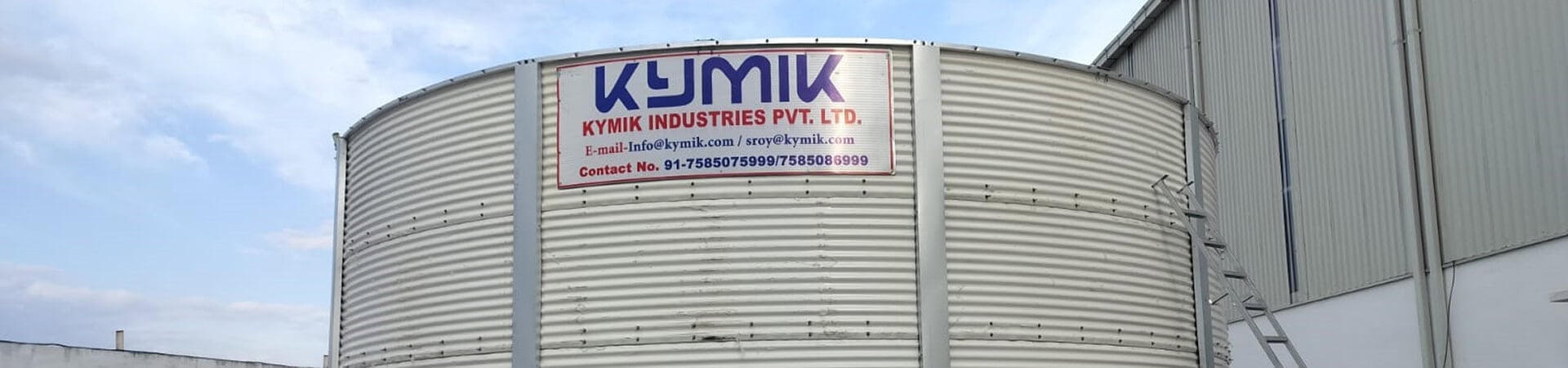
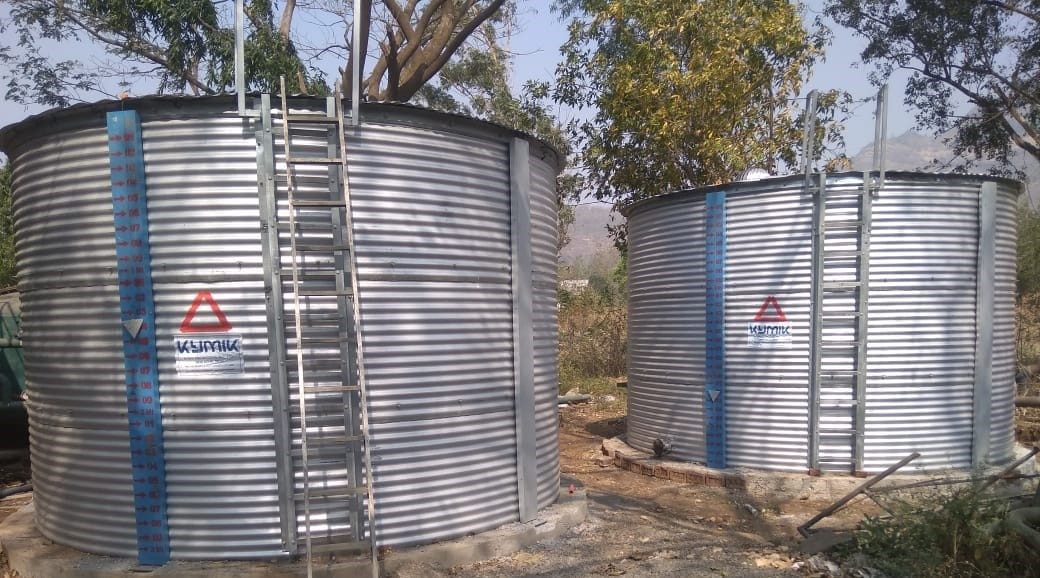
Zincalume DM Water Tanks: A Reliable Solution for Demineralized Water Storage
Introduction:
Industries that use DM water (Demineralized water) need a storage system that is carefully selected according to water chemistry, operating conditions, capacity, and project requirements. A suitable Zincalume DM Water Tank for storage helps maintain the required water quality while providing dependable storage for industrial operations.
A Zincalume DM Water Tank can be considered for industrial water storage applications where corrosion resistance, structural strength, modular construction, and low maintenance are important requirements.
Know More…
Zincalume-coated steel combines the protective properties of zinc and aluminium with the strength of steel. Depending on the tank design and the water chemistry, additional internal protection or lining may also be specified for DM water applications.
This guide explains the features, benefits, applications, and important factors to consider when selecting a Zincalume tank for demineralized water storage.
Table of Contents
What Is a Zincalume DM Water Tank?
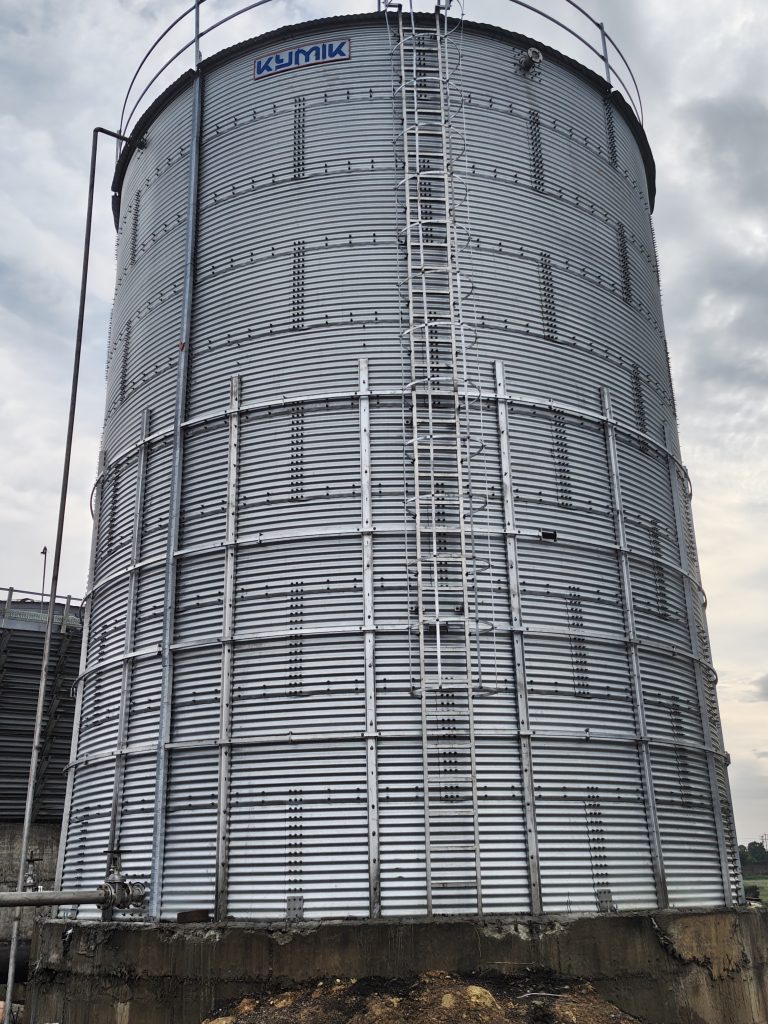
A Zincalume DM Water Tank is an industrial water storage tank manufactured using steel panels protected with a Zincalume coating. The coating uses an aluminium-zinc-silicon alloy to provide enhanced protection against atmospheric corrosion compared with conventional uncoated steel.
The steel substrate provides structural strength, while the metallic coating helps protect the surface from environmental exposure.
For DM water storage, however, tank selection should consider the complete tank system rather than the external coating alone. Before selecting the tank, engineers should assess factors such as water chemistry, conductivity, temperature, dissolved gases, internal lining, fittings, and operating conditions
Therefore, This makes proper engineering and material compatibility important when choosing a demineralized water storage tank.
Features of DM Water Tank
1.Corrosion Resistance: Zincalume-coated steel provides corrosion protection for the steel surface through its metallic coating system. This can make it suitable for a range of industrial environments.
For DM water applications, industries should select the internal tank surface according to the water chemistry and specific project requirements.
2. Strong Steel Construction
Steel panels provide the structural strength required for industrial water storage. Engineers can design the tank according to the required storage capacity, site conditions, and project specifications.
3. Modular Construction
Bolted tank construction allows teams to transport individual panels and components to the project site and assemble them efficiently.
This modular design offers practical advantages when transportation access, available installation space, or project schedules require flexibility.
4. Flexible Capacity
Manufacturers can design Zincalume tanks in different capacities to meet specific project requirements.
Engineers can plan tank dimensions according to:
a. Operational requirements
b. Required water storage volume
c. Available site area
d. Tank height limitations
e. Installation conditions
f. Inlet and outlet requirements
5.Lower Maintenance Requirements: A properly designed and installed Zincalume tank can reduce routine maintenance requirements associated with corrosion protection.
However, operators should always inspect and maintain the tank according to the manufacturer’s recommendations and the operating environment.
6. Suitable for Industrial Applications
Zincalume tanks support a wide range of industrial water storage applications that require engineered steel storage solutions.
Industries should select the final tank configuration based on the intended application, water characteristics, storage capacity, and site conditions.
Benefits of Using DM Water Tanks
Selecting the right DM water storage tank can provide several operational advantages.
1. Helps Support Water Quality Management
Industries use demineralized water when they need water with very low levels of dissolved minerals. Therefore, they should select a storage system that helps prevent contamination and maintain the required water quality.
Also when selecting a tank, industries should evaluate the tank material, internal surface, fittings, and connections as part of the complete storage system.
2. Corrosion-Resistant Construction
One of the key advantages of Zincalume-coated steel is its resistance to atmospheric corrosion.
This protective coating can help improve the durability of the tank structure, particularly in demanding industrial environments.
3. Efficient Installation
Modular bolted construction allows tank components to be transported separately and assembled at the installation site.
This can simplify logistics and make the system suitable for locations where transporting a fully fabricated tank is difficult.
4. Scalable Storage
Industrial facilities may require different DM water storage capacities depending on production requirements.
A modular tank system can provide flexibility in designing storage capacity around the available site and project requirements.
5. Cost Considerations
The overall cost of a DM water storage system depends on several factors, including:
- Tank capacity
- Material specification
- Internal lining or coating
- Accessories and fittings
- Foundation requirements
- Transportation
- Installation
- Maintenance requirements
Therefore, the lowest initial purchase price should not be the only factor considered. The complete project cost and expected operating requirements should also be evaluated.
Applications of Zincalume DM Water Tanks
The versatility and reliability of Zincalume tanks make them suitable for a wide range of applications across various industries.
1. Pharmaceutical Industry
Pharmaceutical manufacturing uses treated and purified water in several processes.
In short, where DM water is required, the storage system should be designed around the required water quality, hygiene requirements, material compatibility, and applicable process standards.
2. Electronics Manufacturing
Electronics manufacturing can require highly treated water for specific production processes.
Storage tanks used in these applications should be selected according to the required water quality and process conditions.
3. Power Generation
Power plants commonly use treated and demineralized water for applications such as boiler feedwater systems and other plant processes.
Moreover, Reliable storage is important because water quality can directly affect equipment performance and operational efficiency.
4. Chemical and Process Industries
Chemical and process plants may use demineralized or treated water for manufacturing, processing, cleaning, or utility applications.
The tank specification should be matched to the chemical characteristics and operating conditions of the stored water.
5. Industrial Utility Systems
DM water may also be required for industrial utility systems where controlled water quality is important.
A properly engineered DM water tank can provide the required storage buffer between water treatment and downstream processes.
Key Considerations for Choosing a Zincalume DM Water Tank
When selecting a Zincalume tank for demineralized water storage, several factors should be considered to ensure optimal performance and reliability.
1. Determine the Required Capacity
First, calculate the amount of DM water required by the facility.
Consider:
- Daily water consumption
- Production requirements
- Peak demand
- Treatment plant output
- Emergency storage requirements
- Required storage buffer
This helps determine the appropriate tank capacity.
2. Analyse the Water Chemistry
DM water can behave differently from ordinary water because of its low mineral content and low ionic strength.
Before selecting the tank configuration, consider parameters such as:
- pH
- Conductivity
- Temperature
- Dissolved gases
- Chemical composition
- Operating conditions
Water chemistry should be reviewed with the tank manufacturer and relevant process or water-treatment specialists.
3. Select the Appropriate Internal Protection
The internal tank surface is an important consideration for DM water storage.
Depending on the water chemistry and application, an appropriate internal lining or coating may be required.
The selected system should be compatible with the stored water and the required operating conditions..
4. Consider Tank Location
The installation environment can affect the tank specification.
Consider:
a. Foundation requirements
b. Indoor or outdoor installation
c. Ambient conditions
d. Humidity
e. Industrial atmosphere
f. Available installation space
g. Accessibility
5. Check Applicable Standards and Specifications
Before purchasing an industrial water storage tank, review the applicable project specifications, engineering requirements, and relevant standards.
Where required, confirm the manufacturer’s certifications, testing procedures, material specifications, and quality documentation.
6. Evaluate the Manufacturer
The manufacturer’s experience is an important consideration when selecting a DM water storage tank.
Look for a manufacturer that can provide:
- Engineering support
- Material specifications
- Tank drawings
- Quality documentation
- Installation support
- Suitable accessories and fittings
- After-sales assistance
Zincalume DM Water Tank vs Conventional Steel Tank
The choice between different tank materials depends on the application.
Zincalume-coated steel can offer a combination of steel strength and metallic corrosion protection. Modular construction can also provide logistical and installation advantages.
However, the best tank material depends on factors such as:
- Water chemistry
- Tank capacity
- Installation environment
- Required internal protection
- Project budget
- Maintenance requirements
- Applicable standards
Therefore, tank selection should be based on the complete project requirement rather than material type alone.
Why Choose Kymik for DM Water Storage?
At Kymik Industries, we focus on engineered water storage solutions for industrial and infrastructure applications.
Our tank systems are designed around project-specific requirements, including storage capacity, site conditions, tank configuration, and installation requirements.
From manufacturing and component preparation to transportation and site installation, the complete process is planned to deliver a practical and dependable storage solution.
For DM water storage, the tank specification can be evaluated according to the water characteristics and application requirements so that the appropriate construction and internal protection system can be considered.
Frequently Asked Questions About Zincalume DM Water Tank
1. What is a DM Water Tank?
A DM Water Tank is a steel water storage tank using Zincalume-coated steel panels for structural construction. It can be considered for demineralized water storage when the complete tank specification is compatible with the stored water and operating conditions.
2. Are Zincalume tanks suitable for DM water?
They can be considered for DM water storage, but suitability should not be determined by the external Zincalume coating alone. Water chemistry, internal protection, fittings, temperature, and project requirements should be evaluated before selecting the tank.
3. What is DM water?
DM water, or demineralized water, is water that has had most of its dissolved mineral ions removed through a water treatment or demineralization process.
4. Where are DM water tanks used?
DM water storage tanks are used in industries such as power generation, pharmaceuticals, electronics, chemical processing, and other manufacturing applications where treated water is required.
5. What capacity of DM water tank is available?
DM water tanks can be engineered in different capacities depending on the project’s storage requirements, available space, water demand, and design conditions.
6. Does Zincalume DM water require special tank protection?
The required tank protection depends on the water chemistry and application. Internal lining or coating requirements should be evaluated based on factors such as pH, conductivity, temperature, and the intended use of the water.
7. How should a DM water tank be maintained?
Routine inspection should include the tank structure, connections, fittings, internal protection, external surfaces, and accessories. The manufacturer’s recommended inspection and maintenance schedule should be followed.

Conclusion
A Zincalume DM Water Tank can provide a practical option for industrial water storage where corrosion protection, structural strength, modular construction, and installation flexibility are important.
However, DM water storage requires careful consideration of water chemistry and material compatibility. The complete tank system—including the steel construction, internal protection, fittings, and operating conditions—should be evaluated before installation.
With the right engineering approach, a DM water storage tank can become an important part of a reliable industrial water-treatment and distribution system.
Looking for a tank for your DM water storage requirement?
Talk to Kymik Industries about an engineered water storage solution designed around your project requirements.